El Niño on the Horizon? Five Things Vineyard Owners Should Check Before Winter Storms Hit
Table of Contents
With a strong El Niño influencing the outlook for winter 2026–27, a little preparation now could help vineyard owners avoid costly surprises when the growing season returns.
With your vineyard, there’s always something that needs attention. A gate that doesn’t close quite right. A low spot that floods after heavy rain. A tree limb hanging a little too close to the fence line.
During the growing season, those small problems can easily slip down the priority list. After harvest, when things finally slow down, the timing is perfect for another look.
This year, there’s an added reason to pay attention.
According to the National Oceanic and Atmospheric Administration (NOAA), a strong El Niño is expected to influence winter weather across the country. NOAA’s outlook for winter 2026–27 favors wetter-than-average conditions in parts of California, the Southwest, the southern U.S., and along the East Coast. Other regions may experience warmer or drier conditions.
Of course, a seasonal outlook isn’t a guarantee of what will happen at any vineyard, but it is a reminder that winter weather can expose problems that have been building for months.
Whether a vineyard operates in California, the Pacific Northwest, New York, Virginia, or another wine-growing region, the basic preparation is much the same: identify the vulnerable areas, address what you can, and avoid carrying unnecessary problems into spring.
Here are five places worth checking before winter weather takes its toll.
1. Drainage Areas That Become Problems After Heavy Rain
Most vineyard managers already know the spots where water collects after a storm. It might be the bottom of a slope, the entrance to a vineyard block, or a low section near a road.
Sometimes the water disappears quickly. Other times, it leaves behind standing puddles, washed-out soil, or ruts that get worse with each passing storm.
Those familiar trouble spots deserve attention before winter.
Heavy rainfall can carry soil away from vineyard rows, erode access roads, and wash out areas around posts and other infrastructure. Poor drainage can also make it difficult to move equipment through certain sections of a property.
Penn State Extension’s Soil Erosion Checkup and Repair recommends inspecting fields for signs of erosion after harvest and addressing the underlying causes rather than simply filling in damaged areas. Its guidance emphasizes checking areas where runoff repeatedly creates channels or gullies.
This doesn’t necessarily mean undertaking a major drainage project. It might begin with walking the property after a rainfall, identifying where water is moving, and making a list of locations that need attention.
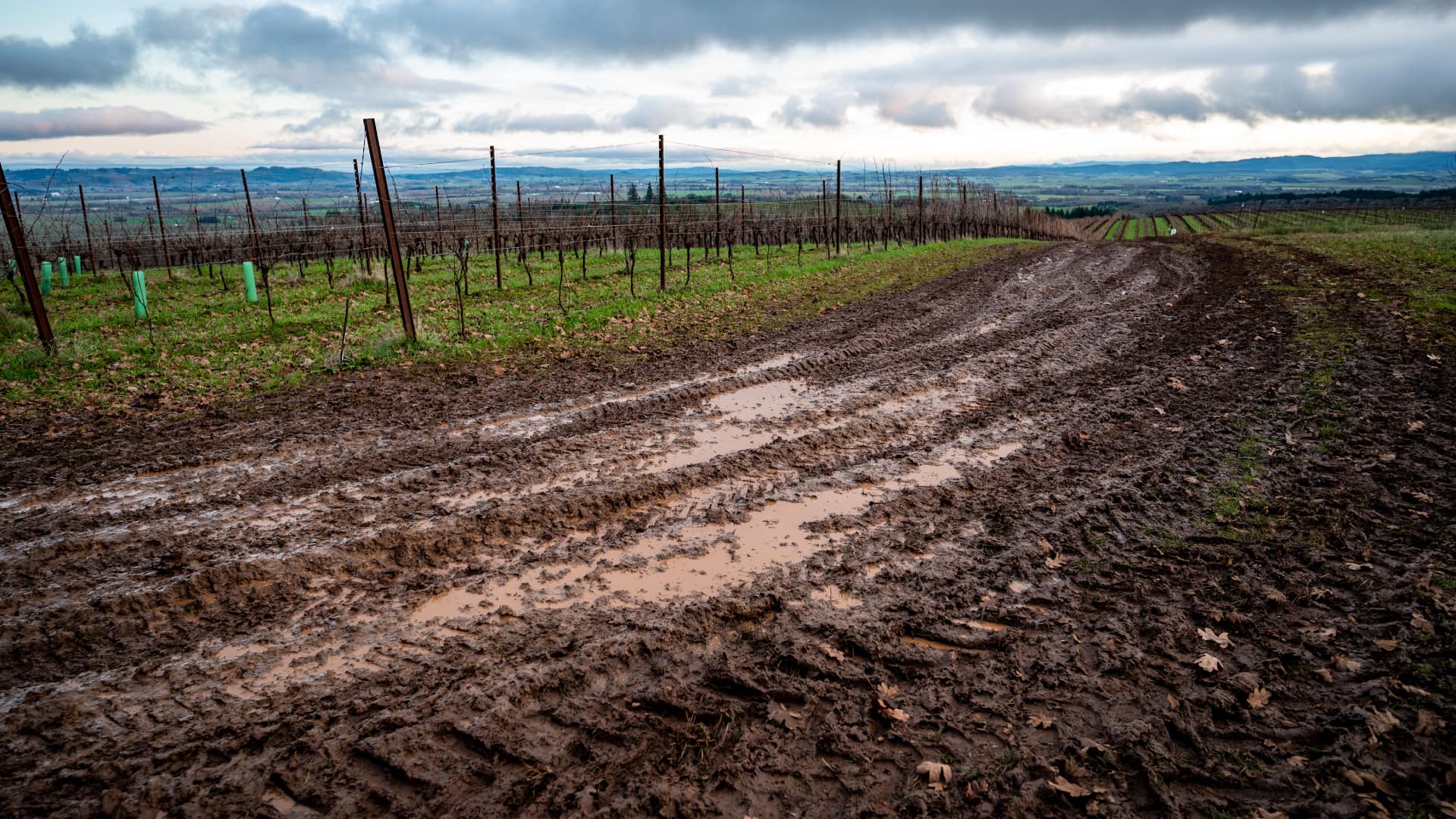
Pay particular attention to drainage crossings, slopes, culverts, and locations where runoff from neighboring properties enters the vineyard.
If an area floods every winter, there’s little reason to assume this winter will be different.
2. Gates, Fencing, and Other Perimeter Weak Points
Fencing may not be the first thing you think about when preparing for winter weather, but it can be affected by many of the same problems that damage roads and drainage systems.
Water can erode the soil beneath a fence, and saturated ground may affect the stability of posts. Falling limbs can damage fencing, and gates that were already difficult to operate may become even more troublesome.
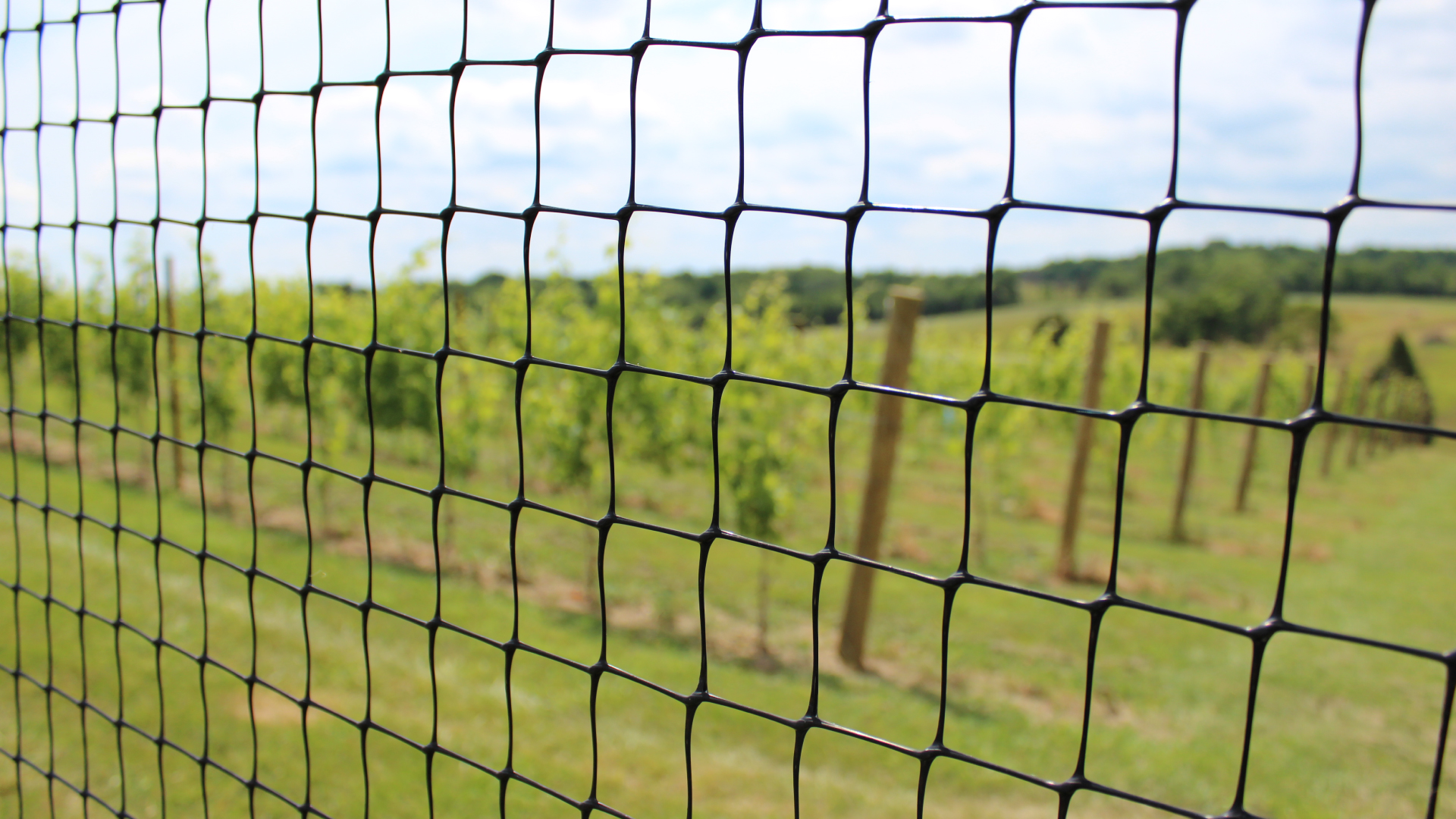
These issues matter for reasons beyond property maintenance. A damaged fence or unsecured gate can create an entry point for deer and other wildlife, leaving vines vulnerable when spring growth begins.
George Horetsky, senior sales representative at Trident Fence, believes some of the most important maintenance work happens before a problem becomes obvious.
“Most growers know where their problem areas are,” he said. “Maybe there’s a gate that’s been giving them trouble or a section of fence where the ground washes out. Those are the places I’d check first. It’s a lot easier to deal with a small problem now than discover a bigger one when spring rolls around.”
Rutgers Cooperative Extension’s 2025 guidance on deer damage in vineyards reinforces the importance of maintaining an effective perimeter. The publication notes that deer can cause significant damage to tender shoots and young vines, particularly near wooded areas. It recommends routine inspection of fencing and gates.
For growers with existing fencing, a perimeter walk can reveal problems that aren’t visible from the road or equipment paths. Check for loose or damaged material, leaning posts, gaps beneath gates, and places where erosion has created openings at ground level.
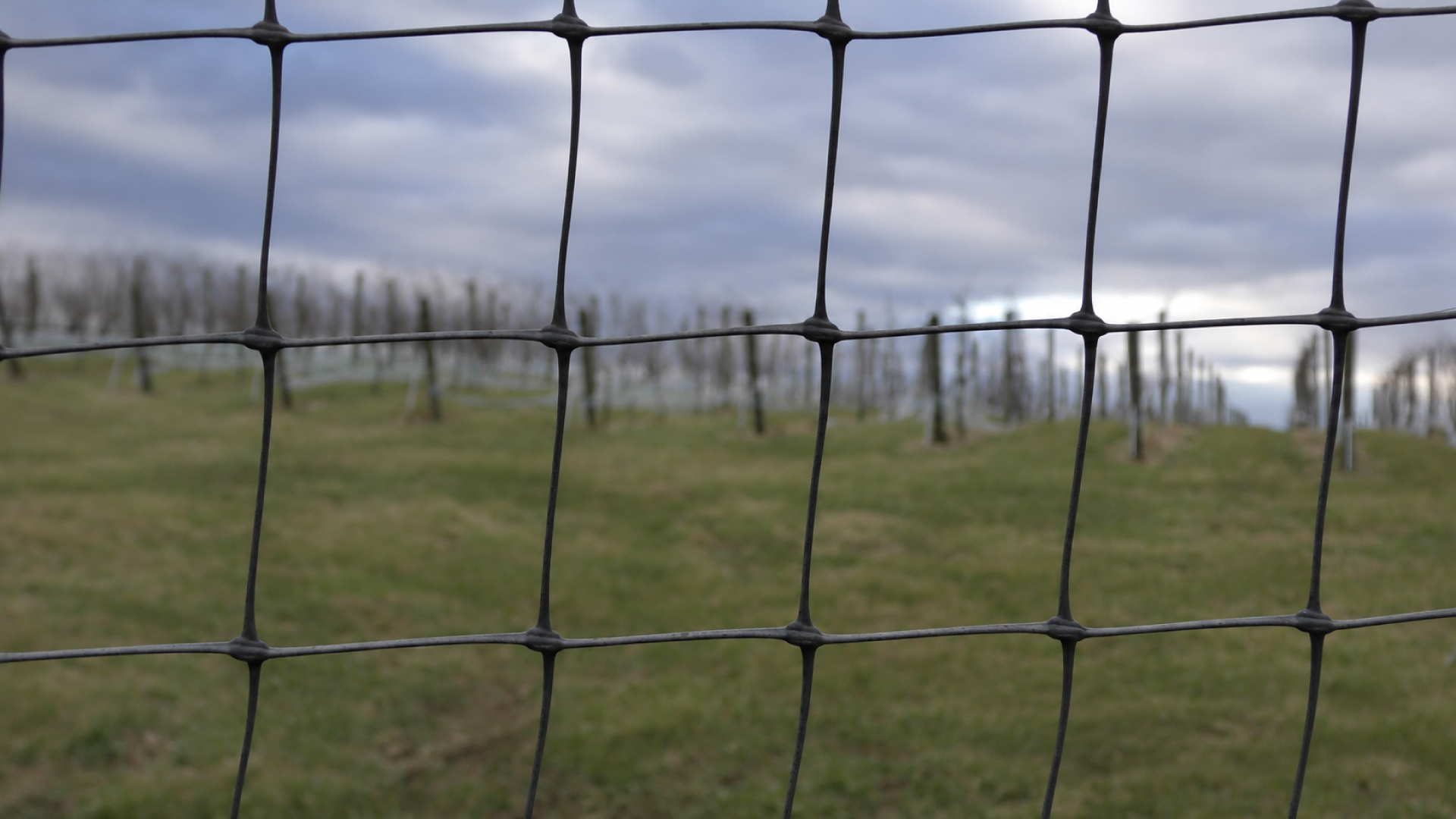
The goal isn’t necessarily to replace anything. It’s to make sure the protection you already have in place is doing its job.
3. Trees and Vegetation Along the Property Line
Trees and wooded borders are common features around vineyards. They can provide privacy, create visual appeal, and form natural boundaries between neighboring properties.
They can also create maintenance problems during winter storms.
An overhanging branch may look harmless in October but become a problem when strong winds, ice, or heavy snow arrive. Fallen limbs can damage fencing, block access routes, or create hazards for equipment and crews. Dense vegetation can also make it difficult to spot damage along a perimeter.
A walk along the property can help identify dead branches, leaning trees, and vegetation growing into fencing or access areas. Pay particular attention to locations near gates, frequently used roads, and places where a fallen tree could block essential access.
The walk is also an opportunity to look for existing damage that has been hidden by summer growth.
“A lot of fence damage isn’t caused by the fence itself failing,” said Horetsky. “It’s something falling on it, pushing against it, or changing the ground underneath it. Keeping an eye on what’s happening around the fence can save a lot of headaches.”
Not every tree needs to be removed, or every wooded border cleared. The objective is to identify specific hazards and address them safely. Larger trees or hazardous limbs should be evaluated by qualified professionals.
For properties where trees and fencing share a boundary, routine inspection can make a meaningful difference.
4. Access Roads and Equipment Routes
A vineyard can have healthy vines and well-maintained equipment, but if your crews can’t reach the areas where they need to work, routine operations become more difficult.
Winter weather can turn minor road problems into major inconveniences. Collecting water can cause tire ruts, which gradually undermine a gravel road. Runoff can cut channels across access routes, and drainage ditches can fill with debris, sending water where it shouldn’t go.
What looks like a small inconvenience during the quiet winter months can become a real problem when spring work begins.
Think about the roads and routes your crews use every day. Are there spots that get muddy or difficult to navigate after heavy rain? Are culverts clear, or is water washing across the road?
Penn State Extension notes that runoff from roads and culverts can contribute to erosion. Sometimes clearing debris or making minor repairs is enough, while bigger problems may need professional attention.
Also, consider whether crews could still access the vineyard if a storm blocked a main entrance. Taking care of trouble spots now can help avoid bigger headaches when spring arrives.
5. Young Vines and Areas That Need Extra Protection
Not every part of a vineyard faces the same level of risk.
Recently planted blocks, young vines, slopes prone to erosion, and areas near wooded boundaries may require closer attention than established sections of the property.
For young vines, the stakes can be particularly high. They’ve already required an investment in planting, training, and maintenance, but they may not yet be producing a marketable crop. Damage during establishment can affect the time and resources needed to bring those vines into production.
On top of those challenges, Rutgers Cooperative Extension notes that repeated deer browsing can affect vine health and productivity over time. Young vines and tender spring growth are especially vulnerable.
That makes winter a useful time to inspect individual vine protection, fencing around new plantings, and the condition of posts, supports, and other infrastructure. Look for damaged grow tubes, exposed or unstable supports, and areas where runoff may be removing soil around new plantings.
It’s also worth reviewing any temporary protective measures installed during the growing season. Will they remain secure through winter weather? Are they still appropriate for the size and condition of the vines?
Horetsky encourages growers to pay particular attention to areas where they’ve already invested considerable time and money.
“Young vines take time and money to establish, and if you’ve already made that investment, you want to make sure they’re protected,” Horetsky said. “Sometimes that means taking a closer look at the areas you haven’t checked since planting.”
Protection needs will vary by location, grape variety, age of the vines, and local wildlife pressure. Work with your vineyard management team and regional extension resources to determine what makes sense for your particular situation.
A Little Preparation Can Go a Long Way
There’s always more work that could be done — that’s the challenge with winter preparation!
With tight budgets and plenty of competing priorities, you can’t tackle every potential problem. Start with the trouble spots you already know about: areas where storms have washed out soil, damaged fencing, or made access difficult.
El Niño may bring added weather challenges this winter, but these checks make sense regardless of the forecast. Addressing small issues now can help prevent costly repairs, delays, and wildlife damage when spring arrives.
Before winter weather hits, take one more walk around the vineyard. You might be glad you did come spring.